

Blog
Living with Earthquakes in Japan: A Guide to Understanding and Staying Safe

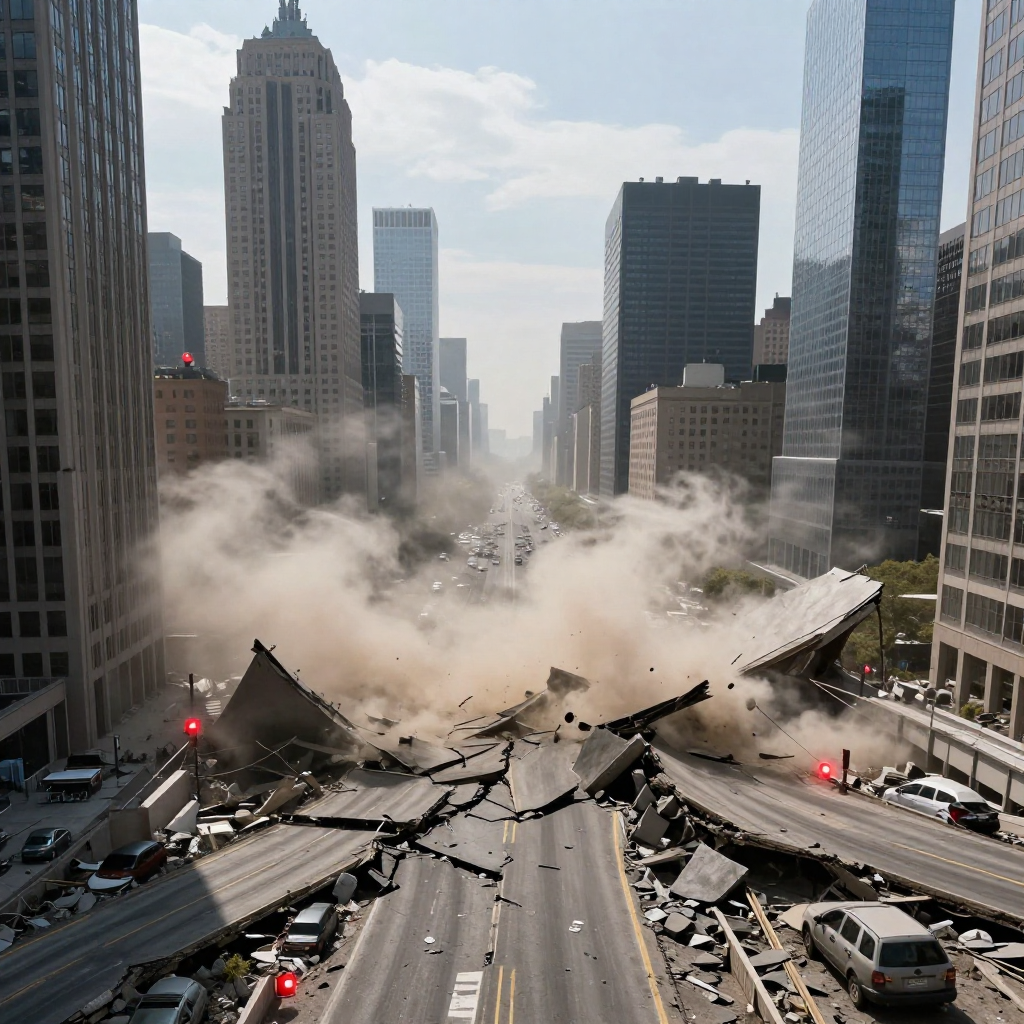
INTRODUCTION
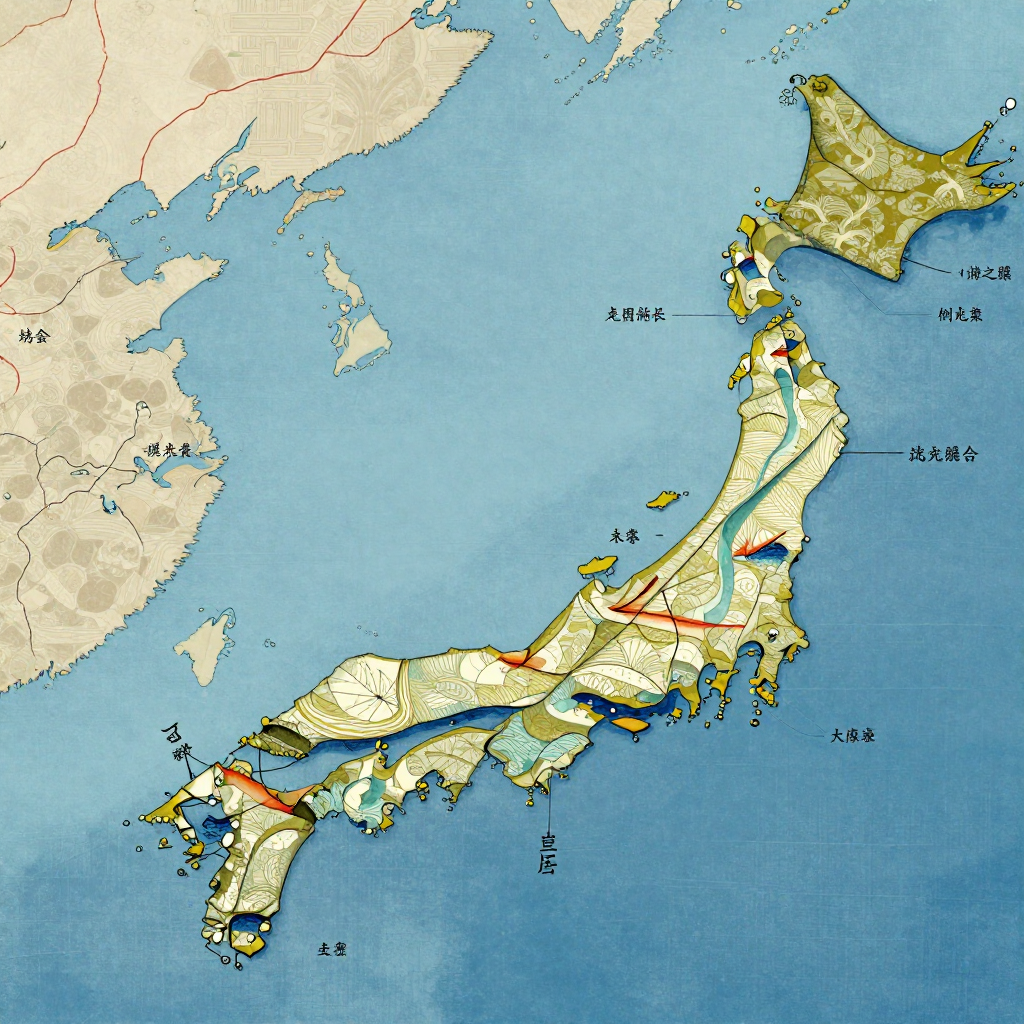
Japan experiences around 1,000 detectable Earthquakes in Japan every year, making it one of the most seismically active countries on Earth. This constant reality has shaped Japan’s culture, technology, and daily life.
Understanding why Japan earthquakes happen, their history, and how to prepare is not just academic—it’s essential for safety. This guide explains the science behind the shaking, highlights Japan’s incredible preparedness, and gives you practical steps to stay safe. We’ll look at the latest data and explore how Japan has built resilience from decades of experience.
Why Japan Experiences So Many Earthquakes

Japan’s unique and challenging geography is the primary reason for its frequent seismic activity. The islands sit at a volatile junction of Earth’s tectonic plates, making them highly susceptible to earthquakes and related natural events.
The Tectonic Plates Beneath Your Feet
Japan is located where four major tectonic plates meet: the Pacific, Philippine, Eurasian, and North American plates. These massive slabs of Earth’s crust are constantly moving, but not smoothly. They grind against and dive beneath each other, a process called subduction. When the built-up pressure from this movement is suddenly released, it causes the ground to shake violently. This complex geological setting means Japan is home to roughly 20% of the world’s most powerful earthquakes (magnitude 6 and above).
From Tremors to Tsunamis: The Chain Reaction
The effects of a major Earthquakes in Japan often extend far beyond the initial shaking. When a quake occurs under the ocean, it can displace massive amounts of water, triggering a tsunami. The 2011 Tōhoku Earthquakes in Japan is a stark example, where a magnitude 9.1 quake generated a devastating tsunami wave. Furthermore, the intense shaking can destabilize slopes, leading to dangerous landslides, especially in Japan’s mountainous terrain. These secondary disasters often cause significant damage and are a critical focus of Japan’s disaster planning.
A History Forged by Seismic Events
Japan’s long history is marked by major earthquakes that have caused profound loss but also driven innovation in safety and construction. Learning from these events is a key part of the national approach to disaster resilience.
The 2011 Tōhoku Earthquake and Tsunami
The Great East Japan Earthquake of March 11, 2011, was a pivotal modern event. With a magnitude of 9.1, it was one of the most powerful quakes ever recorded. The tsunami it generated reached heights of over 40 meters in some places, overwhelming coastal defenses and causing catastrophic damage. The disaster led to the Fukushima Daiichi nuclear accident and resulted in nearly 20,000 deaths. The nationwide response and decade-long reconstruction have deeply influenced Japan’s current disaster policies.
Other Major Earthquakes in Living Memory
While 2011 stands out, other destructive quakes have shaped Japan’s preparedness. The Great Hanshin-Awaji Earthquake (also known as the Kobe Earthquakes in Japan) in 1995 killed over 6,400 people and exposed vulnerabilities in urban infrastructure. This tragedy led to major revisions in building codes and the creation of memorial museums dedicated to disaster education. Looking further back, the 1923 Great Kanto Earthquake devastated Tokyo and Yokohama, taking an estimated 143,000 lives. Each event has provided harsh but vital lessons.
The Constant Risk: Understanding Today’s Threats
Seismic risk in Japan is not a thing of the past; it is a present and ongoing calculation. Government panels constantly update probability assessments to guide preparedness for the next major event.
The Looming Nankai Trough Megaquake
Scientists are particularly concerned about the Nankai Trough, a deep ocean trench off Japan’s Pacific coast. This zone generates massive Earthquakes in Japan every 100 to 150 years. The last major one was in 1946. A Japanese government panel now estimates a 60-90% probability of a megaquake occurring in this zone within the next 30 years. While the exact timing is unpredictable, officials stress that the risk is ever-present and that continuous preparedness is vital.
Recent and Ongoing Seismic Activity
Japan’s seismic network records constant activity. On average, an Earthquakes in Japan with a magnitude high enough to be felt occurs roughly every 8 hours. For example, on December 8, 2025, a significant magnitude 7.6 quake struck off the coast of Aomori Prefecture. The following table shows the distribution of earthquake magnitudes near Japan over a recent 10-year period, illustrating how frequent smaller quakes are.
| Magnitude | Number of Earthquakes | Percentage of Total |
|---|---|---|
| 4 | 9,368 | 90.58% |
| 5 | 901 | 8.71% |
| 6 | 65 | 0.63% |
| 7 | 8 | 0.08% |
How Japan Prepares: A Nation Built for Resilience
Japan has transformed its frequent seismic activity into a catalyst for becoming arguably the world’s best-prepared nation for earthquakes. This preparation is woven into infrastructure, technology, and public education.
Engineering and Infrastructure
- Earthquake-Resistant Buildings: Strict building codes ensure structures can withstand significant shaking. Techniques include flexible frames, base isolation systems (where buildings sit on pads that absorb shock), and damping technology. It’s estimated that 87% of Tokyo’s buildings are now earthquake-resistant.
- Transportation Safeguards: Japan’s famous Shinkansen (bullet trains) are equipped with ultra-sensitive earthquake sensors. These can detect early tremors and automatically trigger an emergency stop, preventing derailments.
- Massive Public Works: Projects like Tokyo’s Metropolitan Area Outer Underground Discharge Channel—a $3 billion tunnel system—are designed to manage floodwaters from tsunamis or heavy rains triggered by quakes.
Technology and Public Alert Systems
Japan’s early warning system is among the most advanced globally. Seismic sensors detect the fast-moving initial waves of a quake, allowing for crucial seconds of warning. Alerts are broadcast directly to every smartphone and interrupt TV programming. The national “Safety Tips” app provides real-time alerts and information in multiple languages for residents and visitors alike.
What You Can Do: Personal Safety and Preparedness
Knowing what to do during and after Earthquakes in Japan is the most important step you can take. Personal preparedness significantly increases your safety and peace of mind.
During the Shaking: Drop, Cover, and Hold On
Your immediate actions should follow this simple mantra:
- DROP to your hands and knees to avoid being knocked over.
- COVER your head and neck. If you are under a sturdy table, hold on to it. If there’s no shelter, cover your head with your arms and move away from windows and heavy furniture.
- HOLD ON to your shelter until the shaking stops.
Wherever you are, do not run outside during the shaking. Falling debris from buildings and broken glass pose the greatest immediate danger.
After the Shaking Stops
- Protect yourself from aftershocks, which can be nearly as strong as the main quake.
- If you are near the coast, evacuate immediately to high ground or a tall, sturdy building. Do not wait for an official tsunami warning.
- Wear sturdy shoes to protect your feet from broken glass and debris.
- Use stairs, not elevators, and be cautious of fire hazards like gas leaks.
Building Your Personal Preparedness Kit
Every household should have a basic emergency kit ready. You can assemble one easily with items from local stores. Essential items include:
- Water (at least 3 liters per person)
- Non-perishable food for several days
- First-aid supplies
- Flashlight, radio, and extra batteries
- A whistle to signal for help
- Work gloves and a face mask
Frequently Asked Questions About Japan Earthquakes
How often do earthquakes occur in Japan?
Japan is extremely active seismically. On average, the country experiences over 1,000 detectable tremors per year, which is roughly one every 8 hours. Most are minor, but the constant activity underscores the need for preparedness.
What was the strongest earthquake in Japan’s history?
The strongest earthquake on record in Japan was the 2011 Tōhoku earthquake, which had a magnitude of 9.1. It triggered a devastating tsunami and caused widespread destruction along the northeastern coast.
What should I do if I’m traveling in Japan and feel an earthquake?
If you are traveling, follow the “Drop, Cover, and Hold On” procedure. Stay indoors until the shaking stops. Follow instructions from local authorities and use the multilingual “Safety Tips” app for official alerts and information. Always have your passport and some cash accessible in an emergency.
Conclusion
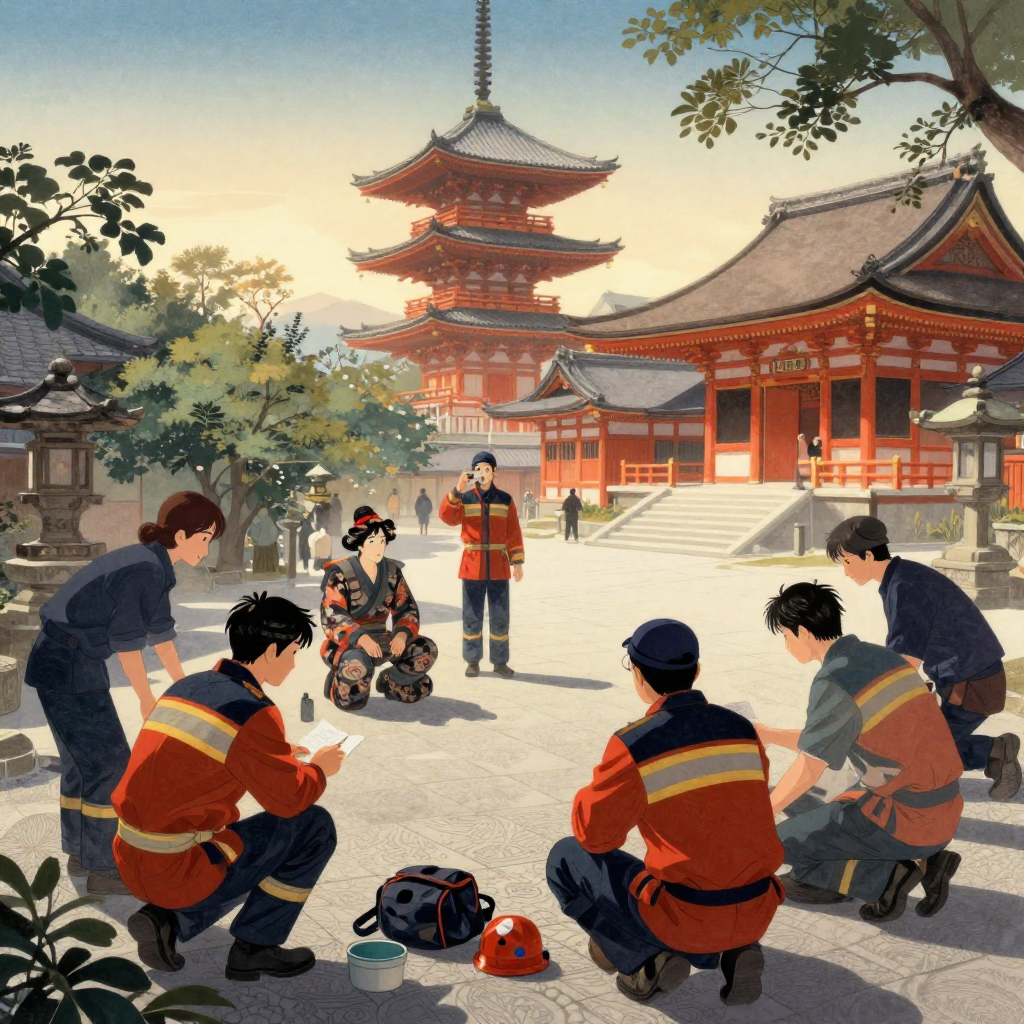
Japan earthquakes are a powerful natural force, but they do not have to be a catastrophic disaster. Japan’s journey—from enduring historic tragedies to building a world-renowned culture of resilience—shows that knowledge and preparation make all the difference. By understanding the risks, learning from Japan’s advanced infrastructure and alert systems, and taking personal responsibility for your safety, you can face this reality with confidence. Start your preparedness today; your safety tomorrow depends on the actions you take now.