

Blog
Severe Flood Risk in the USA: A Complete Guide to Safety


INTRODUCTION
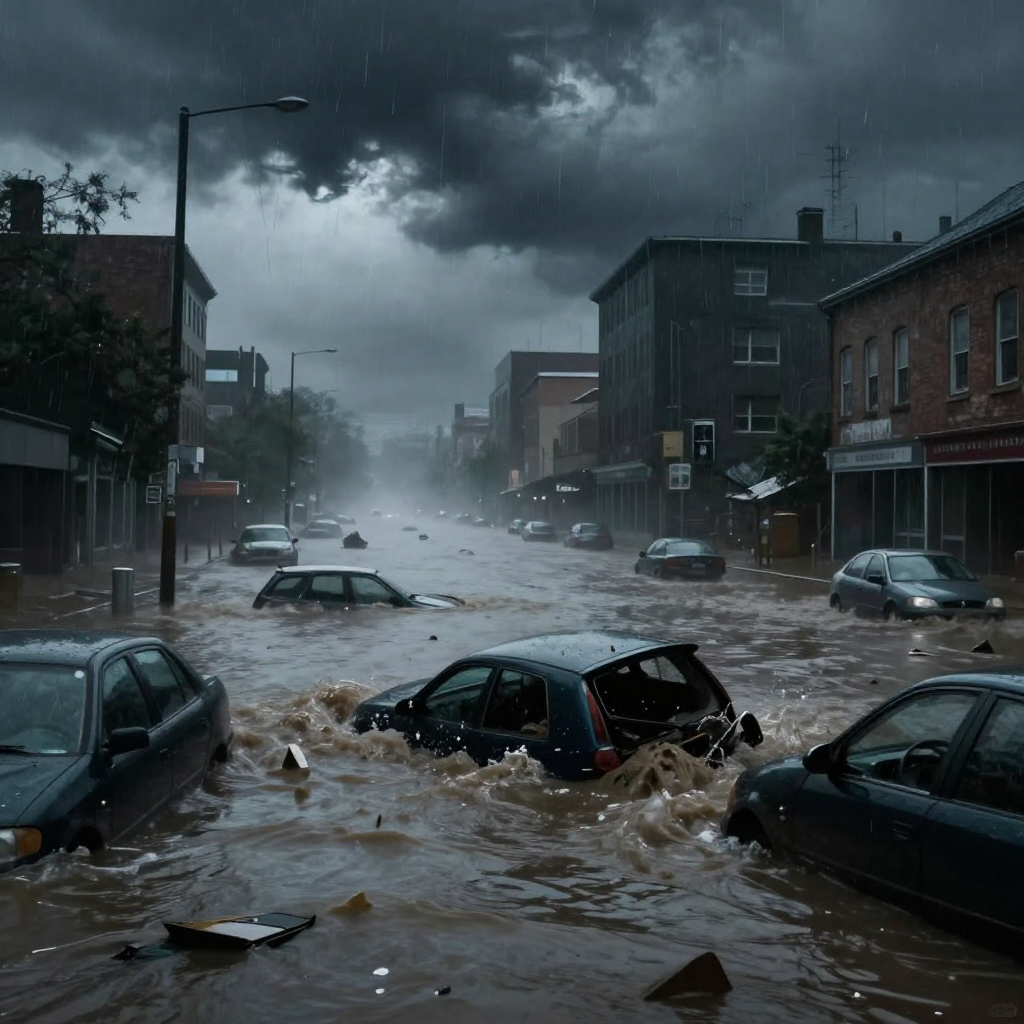
Severe flood risk is a growing reality for millions of Americans. Understanding this threat is your first and most powerful step toward safety. This guide provides expert-backed information to help you assess, prepare for, and mitigate the dangers of flooding. We’ll cover the essential facts you need, from reading official maps to building a practical defense plan for your home and family.
Understanding Severe Flood Risk in America
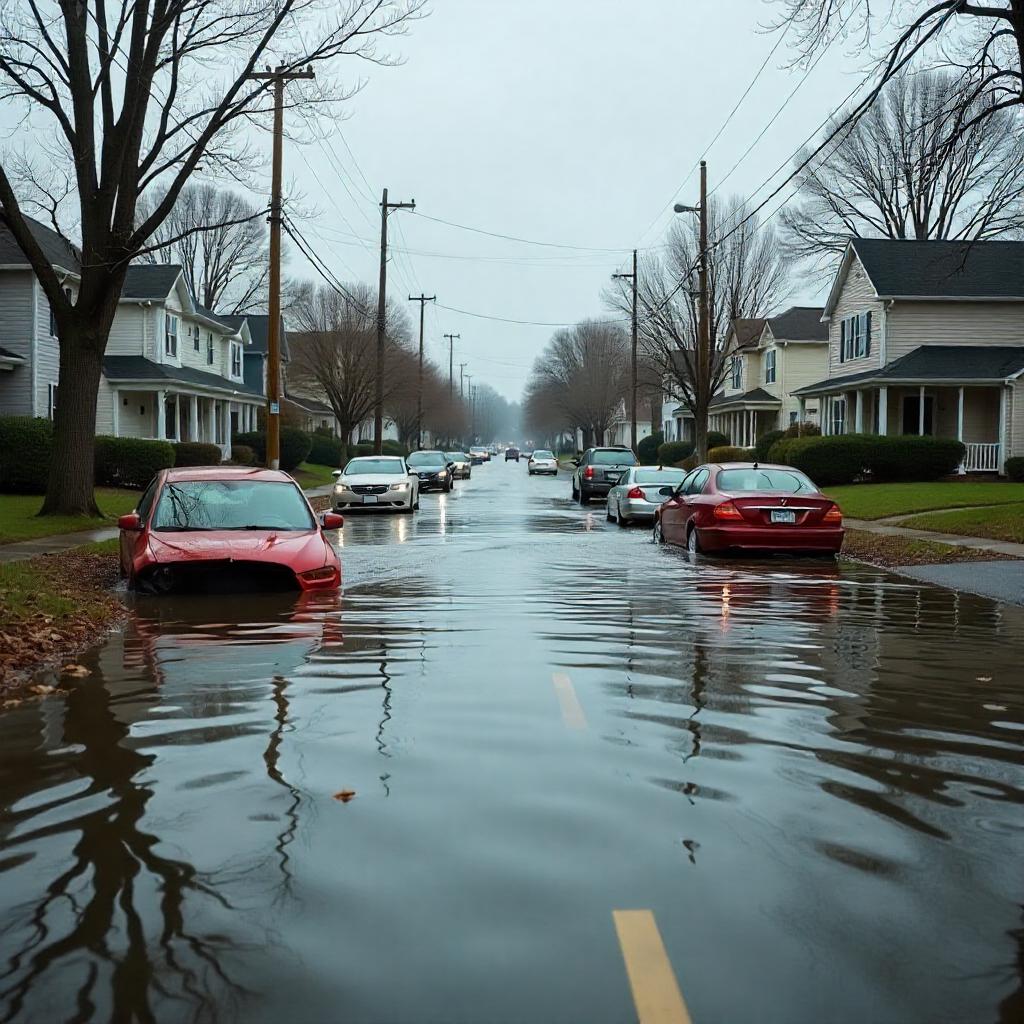
Flooding is the most common and costly natural disaster in the United States. A severe flood risk means a high probability of dangerous, fast-moving water that can cause major damage. This risk isn’t just for coastal states, either. Inland communities face threats from rivers, sudden storms, and overwhelmed drainage systems.
Many people believe they are safe if they don’t live near water, but that’s a dangerous myth. Urban flooding can happen anywhere due to heavy rainfall and inadequate drainage. Climate change is also intensifying rainfall patterns, which increases the extreme flooding threat for new areas every year. Therefore, knowing your specific risk is not just smart—it’s essential for your property and your family’s well-being.
What Are the Main Causes of Severe Flooding?
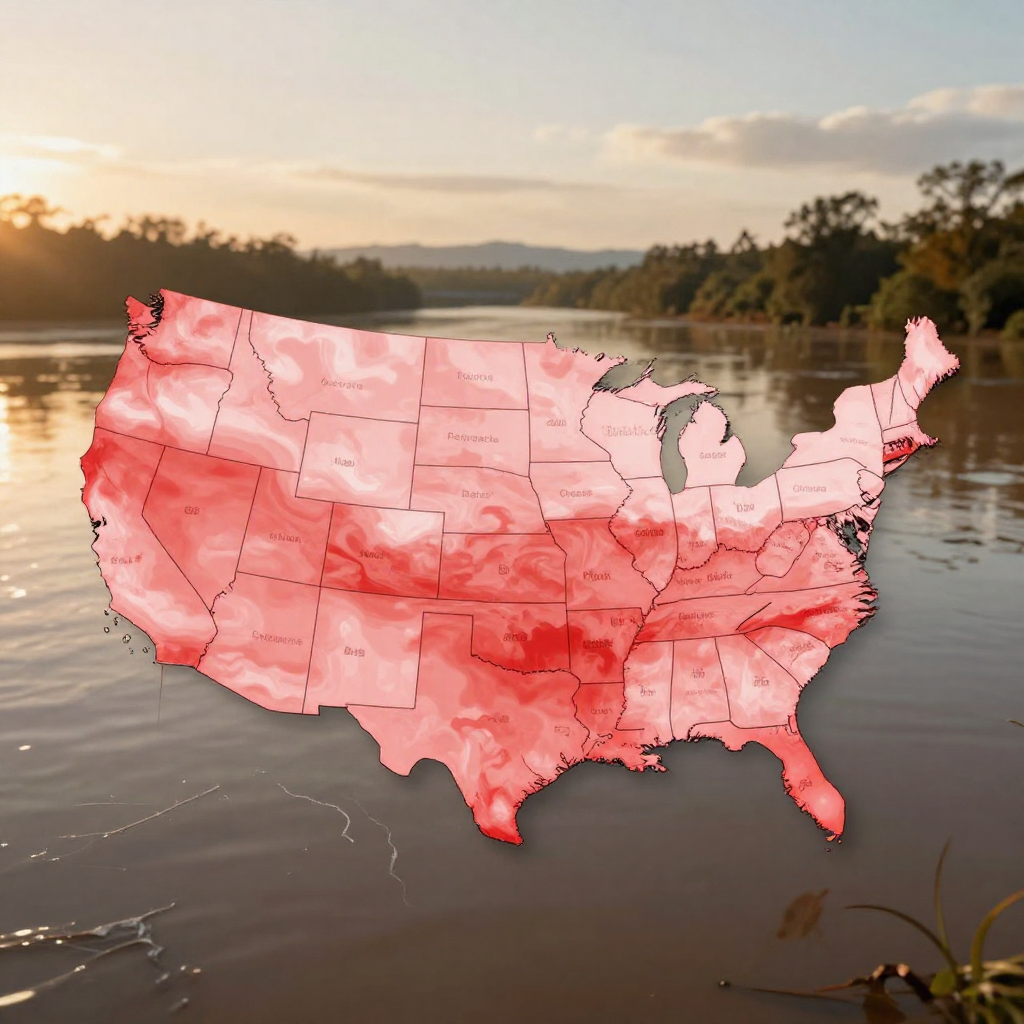
Several key factors combine to create a high flood danger. The primary cause is heavy, prolonged rainfall that saturates the ground. When soil can’t absorb more water, runoff flows into streets and basements. This is a major issue in cities with lots of concrete and poor drainage.
River overflow risk is another widespread cause. Rivers and streams can swell from rain or snowmelt and spill over their banks. This type of flooding can cover large areas and last for weeks. Additionally, flash flood probability spikes in hilly areas or near small streams, where water can rise with terrifying speed after an intense downpour. Finally, coastal communities face the dual threat of storm surge during hurricanes, which pushes massive waves of seawater onto land.
How to Accurately Assess Your Flood Risk
You cannot prepare for what you do not understand. Learning how to assess Severe Flood Risk for your property is a critical skill. It involves using official tools and observing your local environment. This knowledge empowers you to make informed decisions about insurance and home protection.
Start with Official FEMA Flood Maps
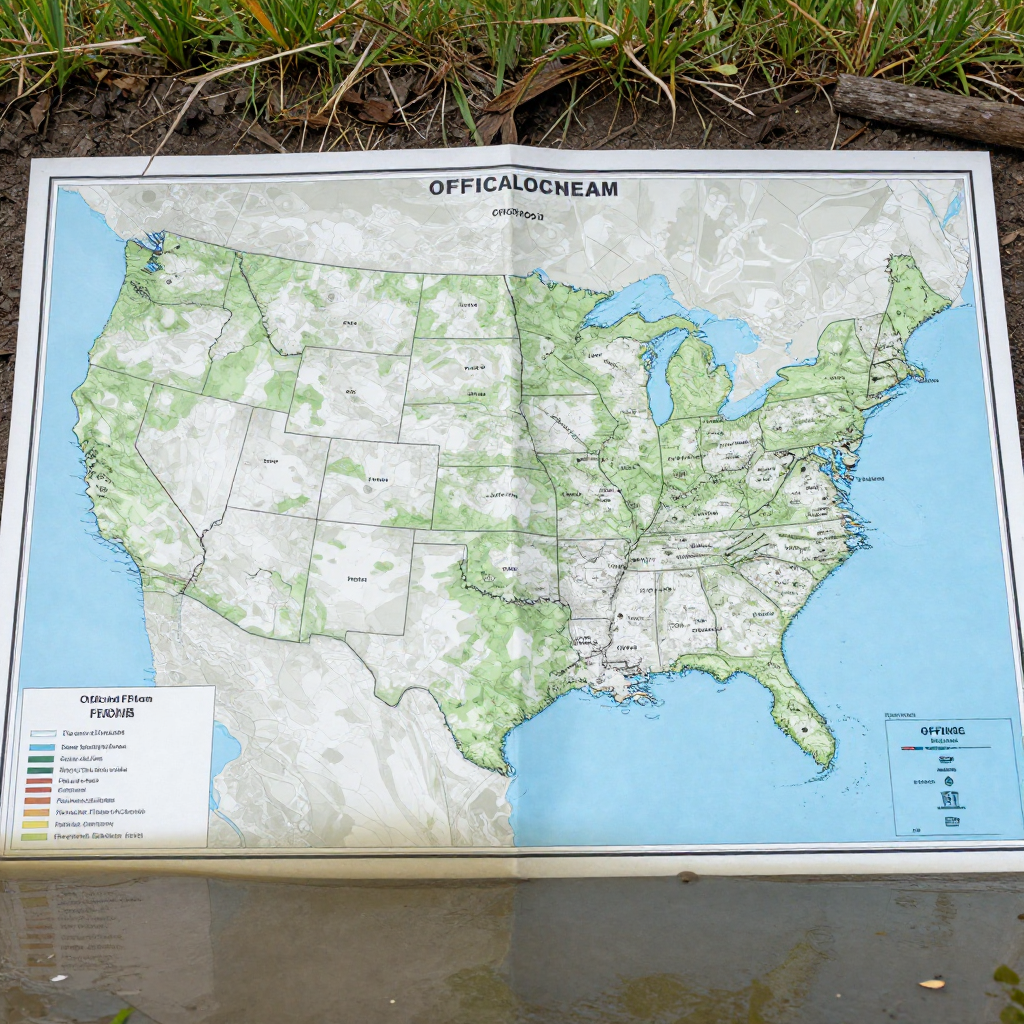
Your most authoritative resource is the FEMA Flood Map Service Center. By entering your address, you can find your official Flood Insurance Rate Map (FIRM). These maps designate high-risk zones (Special Flood Hazard Areas, like Zone A or AE) and moderate- to low-risk zones (like Zone X). Living in a high-risk zone means there’s at least a 1% annual chance of flooding—also called the 100-year floodplain. However, it’s crucial to remember that over 20% of National Flood Insurance Program claims come from properties outside high-risk zones.
Evaluate Your Property’s Specific Vulnerabilities
Next, conduct a personal inspection. Look at your home’s location. Are you at the bottom of a slope or near a drainage ditch? Check your basement for any signs of past water intrusion. Also, examine your community’s drainage systems during a heavy rain. Do streets pond quickly? These observations help you understand the real-world flash flood probability for your neighborhood. For the most precise assessment, homeowners in risk zones often get an Elevation Certificate from a licensed surveyor. This document measures how your home’s lowest floor compares to the predicted base flood level.
The Critical Role of Early Flood Warning Systems
When a flood is imminent, timely information saves lives. The early flood warning system in the USA is a network of technology and alerts designed to give you a crucial head start. Understanding how it works ensures you never miss a warning.
How Modern Warning Networks Operate
The system relies on a combination of tools managed by agencies like the National Weather Service (NWS). These include river gauges, rainfall monitors, Doppler radar, and weather satellites. Data from these sources feeds into forecast models that predict where and when flooding will occur. When thresholds are exceeded, meteorologists issue urgent alerts.
How to Receive and Understand Flood Alerts

You will typically receive warnings through several channels:
- Wireless Emergency Alerts (WEA): These text-like messages pop up on your cell phone for the most serious threats in your area.
- NOAA Weather Radio: A dedicated radio that broadcasts 24/7 official warnings, ideal for home use.
- Local Media and Apps: Trusted local news and weather apps provide detailed updates and instructions.
It’s vital to know the difference between a Flood Watch and a Flood Warning. A Watch means conditions are favorable for flooding—be prepared to act. A Warning means flooding is already happening or will happen imminently—you must move to safety immediately.
The Devastating Impact of Severe Flooding
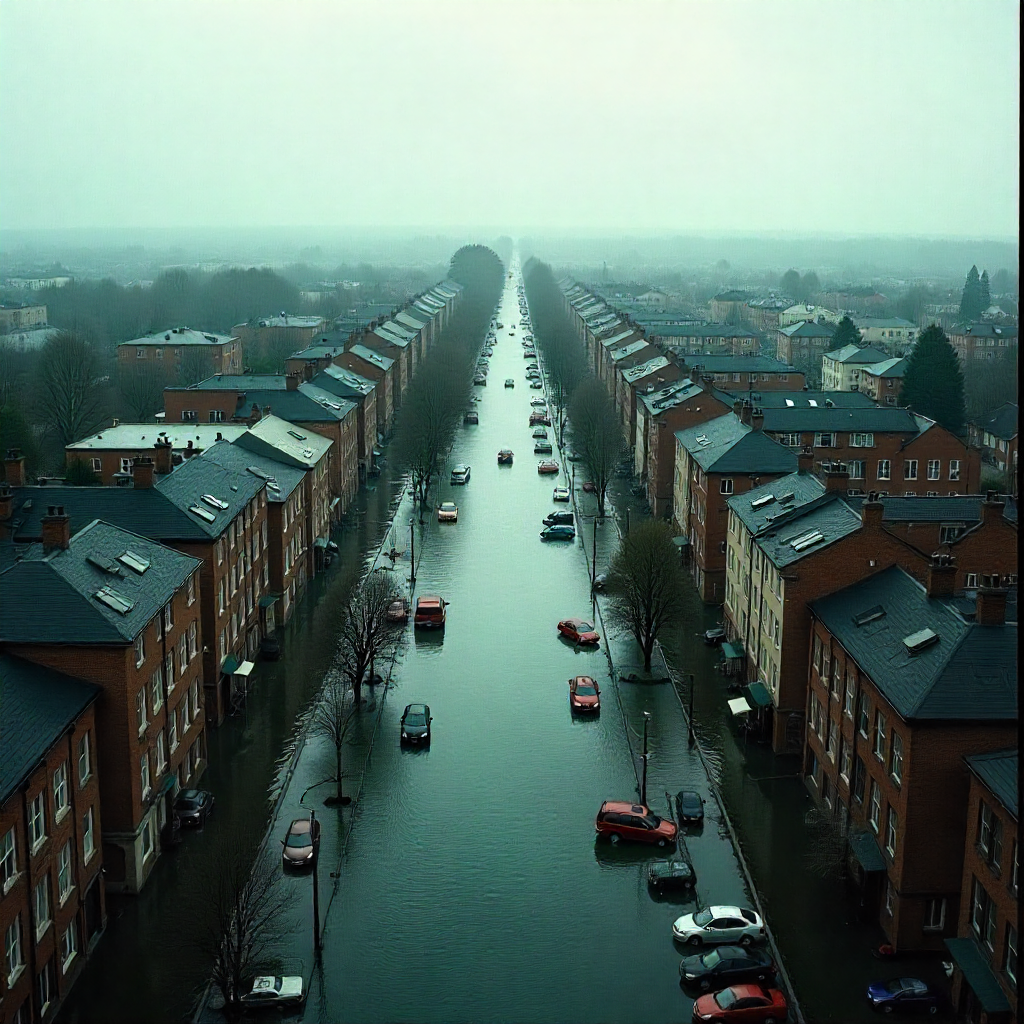
The impact of Severe Flood Risk is profound and multi-layered, affecting homes, health, and finances long after the water recedes. Recognizing these consequences highlights why preparation is non-negotiable.
Immediate Physical and Health Damages
Floodwater is powerfully destructive and often contaminated. It can undermine foundations, ruin walls, and destroy personal belongings in hours. The health risks are severe, involving exposure to sewage, chemicals, and sharp debris. Electrocution from downed power lines is another immediate danger. Once the water drains, the hidden threat of toxic mold begins, posing serious long-term respiratory health risks.
Long-Term Financial and Emotional Toll
The financial burden can be overwhelming. The average flood insurance claim is significant, and standard homeowners insurance does not cover flood damage. Without proper coverage, families face repair costs, temporary housing bills, and the replacement of vehicles alone. The emotional stress of displacement, loss of cherished items, and navigating recovery paperwork creates a long, difficult journey for survivors.
Building Your Flood Defense and Action Plan
Knowledge becomes power when you act on it. Creating a personalized plan transforms you from a potential victim into a prepared defender against severe flood risk.
Protect Your Property Proactively
Take these actionable steps to mitigate damage:
- Install Prevention Devices: Use a sump pump with a battery backup, install flood vents, and place check valves on sewer lines.
- Elevate Critical Systems: Raise your electrical panel, HVAC unit, water heater, and washer/dryer above potential flood levels.
- Redirect Water: Ensure gutters are clean and downspouts direct water at least 5-10 feet away from your foundation. Regrade your yard if it slopes toward the house.
Create Your Family Emergency Plan
Your plan should be simple and practiced:
- Know Your Evacuation Zone and Route: Don’t wait for an order to figure out where to go.
- Build an Emergency Kit: Include water, non-perishable food, a first-aid kit, medications, flashlights, batteries, cash, and critical documents in a waterproof container.
- Establish Communication: Decide how your family will contact each other if cell service is down.
Secure the Right Flood Insurance
For most, flood insurance is the cornerstone of financial resilience. Policies through the NFIP or private insurers typically have a 30-day waiting period, so you cannot buy it at the last minute. Evaluate your need based on your flood zone and property assessment—it is the most important step in recovering from the financial impact of severe flooding.
FAQ: Severe Flood Risk in the USA
Q: Does my standard homeowners insurance cover flood damage?
A: No, it does not. Flood damage requires a separate flood insurance policy, either from the National Flood Insurance Program (NFIP) or a private insurer.
Q: I live outside a high-risk flood zone. Do I really need flood insurance?
A: Yes, you should strongly consider it. More than 20% of flood claims come from properties in low-to-moderate risk zones. Floods can happen anywhere it rains.
Q: How can I get real-time flood alerts for my exact location?
A: The best methods are to enable Wireless Emergency Alerts (WEA) on your smartphone, purchase a NOAA Weather Radio, and download a trusted weather app with alert functions for your county.
Q: What is the single most important thing I can do to prepare?
A: First, know your risk by checking the FEMA flood maps. Then, based on that risk, either purchase flood insurance or create a detailed emergency kit and evacuation plan. Doing both is ideal.
Conclusion and Your Essential Next Step
Living with severe flood risk requires awareness, preparation, and respect for the power of water. Throughout the USA, this threat is real, but it is also manageable with the right tools and information. By learning how to assess flood risk, trusting the early flood warning system, and understanding the true impact of severe flooding, you take control of your safety.
Your path to security starts with one action. Visit the FEMA Flood Map Service Center today, input your address, and identify your official flood zone. This free, two-minute check is the foundation of all smart preparation. Once you know your risk, you can act—whether that means buying insurance, fortifying your home, or finalizing your family’s emergency plan. Don’t wait for the forecast to turn serious. Start building your resilience now.